
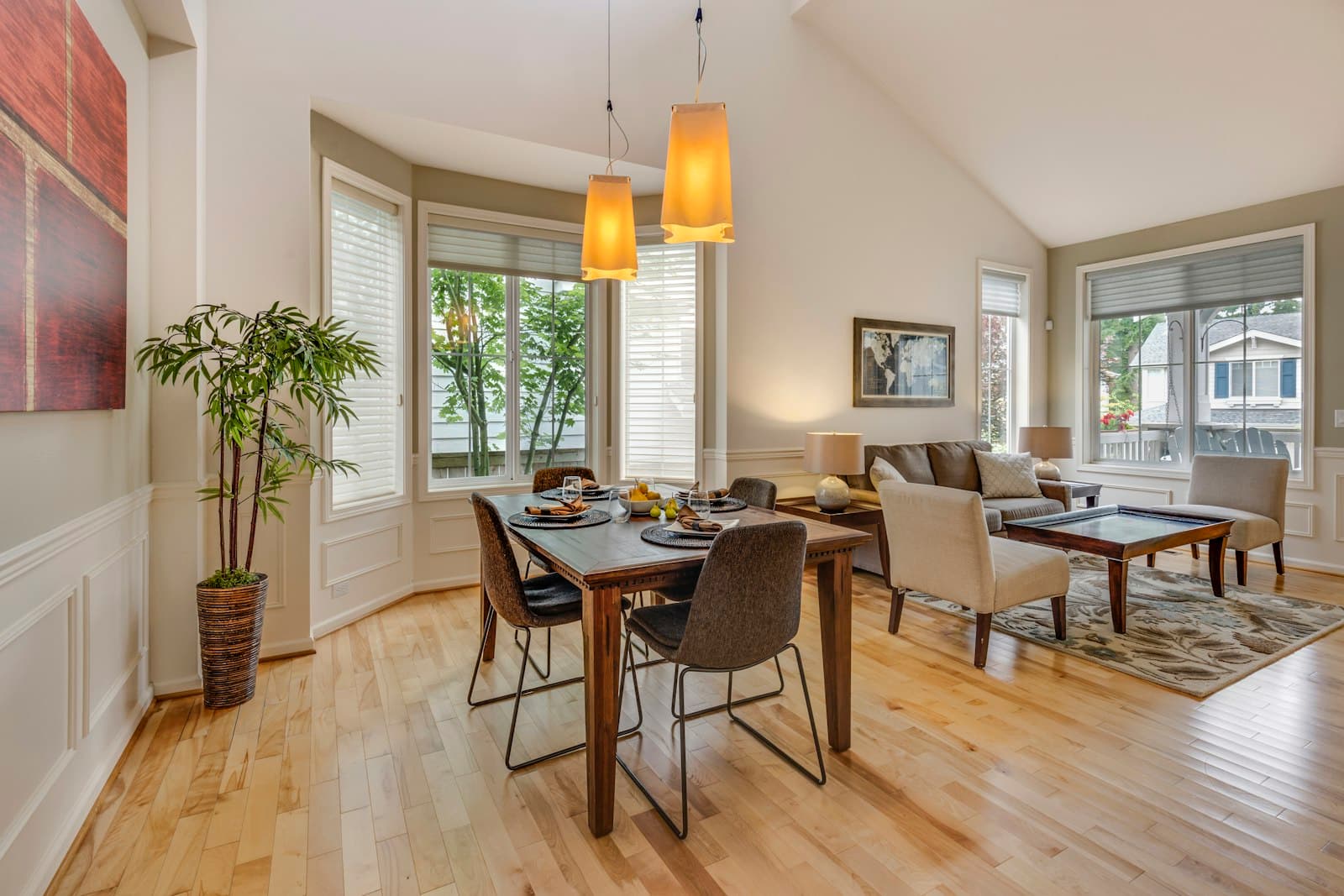
A showing is a buyer's opportunity to test whether the home fits their needs. They may check storage, consider furniture placement, listen to nearby activity, and imagine everyday routines. Your preparation should give them space to do that without avoidable distractions or confusion.
The challenge is that you may still be living in the house. An effective showing plan respects normal life while creating reliable access and a consistent presentation. It combines scheduling, cleaning, pets, privacy, safety, and a repeatable departure routine.
Set realistic availability
Discuss showing windows and notice requirements before the listing goes live. Consider work, children, pets, tenants, and anyone who needs accommodations. Excessively restrictive availability can make visits difficult, while unlimited access may be impossible for an occupied household.
Your plan should identify who approves requests, how appointments are confirmed, and what happens when you cannot accommodate the requested time. Whenever practical, offer alternatives rather than simply declining. A clear choice between two workable windows helps an interested buyer continue planning.
Do not assume that a requested appointment is approved. Confirm the date, start time, expected duration, and responsible contact. Tenant-occupied homes may have separate notice and access requirements. Follow the lease and applicable law rather than applying the same routine used for an owner-occupied home.
Build a short reset routine
The major cleaning and staging should already be complete. Before each visit, focus on dishes, beds, bathroom surfaces, trash, lighting, temperature, and clear pathways. Keep everyday clutter in assigned storage so you are not inventing a solution each time.
Walk the buyer's route from the entrance. Check whether a door is blocked, a rug creates a trip concern, or laundry obscures a feature. Keep access to relevant equipment and storage areas available without leaving sensitive documents exposed.
A simple household checklist can reduce stress. One person handles pets, another checks bathrooms, and another confirms windows and departure timing. Choose responsibilities that suit your household. The best system is one people can follow even when an appointment arrives during a busy day.

Make a separate plan for pets
Buyers may be allergic to or uncomfortable around animals. Animals may also react unpredictably to strangers. Where feasible, arrange for pets to be off-site during appointments. If that is not possible, discuss a safe, specific arrangement with your agent and provide accurate instructions through the appropriate private channel.
Do not assume a note saying friendly dog is enough. A visitor may open a door, a pet may escape, or an animal may become stressed. Think through actual movements in the home. Avoid asking showing visitors to manage your pets as part of their visit.
Remove obvious pet waste and maintain pet areas. Keep supplies organized and do not attempt to cover odors with fragrance. The goal is a comfortable environment for visitors and a safe environment for the animals, both of which require planning before the appointment begins.
Give buyers room to evaluate
When practical and appropriate, leave during the showing. Buyers may be reluctant to discuss concerns in front of the seller. Your presence can also turn an evaluation into a conversation about your experiences, which may prevent them from focusing on their own needs.
If you must remain, discuss the arrangement in advance and avoid following visitors from room to room. Let the responsible professional manage the appointment. Provide factual property information through approved materials rather than narrating every improvement spontaneously.
Do not use cameras or microphones to overhear negotiations. Recording and notice rules vary, especially for audio. Ask your local professional what applies and disclose devices as required. Protecting property should not depend on secretly listening to a buyer's private discussion.
Protect personal belongings and access
Secure jewelry, cash, medication, firearms, confidential records, and small valuable items according to appropriate safety practices. A showing is authorized access, but you should still reduce unnecessary exposure. Do not leave spare keys, passwords, or account information where visitors can find them.
Coordinate lockbox procedures, alarm instructions, and final locking responsibilities with the person managing access. Confirm that an electronic entry record does not automatically prove the door was secured afterward. Establish a practical check rather than assuming technology completes every step.
If appointments overlap, decide who manages the transition. Buyers should not be left wondering whether they can enter or whether someone is still inside. Predictable scheduling makes the experience calmer and helps avoid conflicts at the front door.
A practical example
A household repeatedly scrambles to leave because showings are approved without checking a shared calendar. The seller becomes frustrated and starts rejecting requests. The property receives fewer visits, even though buyer interest remains.
The household changes the process: one person approves appointments, the calendar is updated immediately, pets have a planned destination, and a fifteen-minute reset checklist is assigned. The specific reset time is only an illustration. The improvement comes from coordinating the work, not from demanding that every home be prepared in exactly fifteen minutes.
Check the home after the visit
After the agreed appointment window, confirm through the appropriate contact that the visit has ended before returning. Check doors, windows, keys, lights, and any agreed alarm setting. Report missing items or unusual conditions promptly through your agent or access provider.
Request feedback without treating every comment as a command. One buyer's preference may be very personal. Repeated observations about temperature, odors, confusing access, or blocked areas can identify a correctable presentation issue. Track patterns and discuss them during your listing review.
Rehearse before the first real showing
Run through a practice appointment. Prepare the rooms, secure belongings, handle pets, leave, and return. Notice where the plan breaks down. Does someone still need a key? Is the dog destination unavailable on weekends? Does an alarm instruction depend on a code you should not distribute broadly?
Resolve these issues before interested buyers arrive. A showing plan should support both marketing and daily life. When it works, visitors can evaluate the property comfortably and you can keep offering that experience throughout the listing period.
Keep a weather backup for your departure plan. A park may work for the household on a mild day but fail during rain or winter conditions. Choose a dependable alternative and confirm transportation. Practical preparation includes where people and pets can safely wait, not only how the living room will look.
Sources and further reading
This lesson explains how home sales generally work in the United States and is not legal advice. Your contract, state and local law, and listing service rules decide the specifics, so check them with your broker, attorney or closing provider.