

A lockbox can function correctly while the showing fails. The key might not fit the deadbolt, a gate might remain locked, or an alarm might sound when the visitor opens the door. Preparing access means testing the whole journey from arrival to final lockup.
Do this before the first appointment. The seller's familiarity with the house can hide problems a visitor encounters immediately. A clear, tested process protects the property and prevents an interested buyer from spending the appointment troubleshooting at the entrance.
Start with a suitable location
Use a mounting location permitted by the manufacturer, property owner, association, and local rules as applicable. Confirm that the attachment is secure and does not damage the surface, interfere with opening the door, or create a trip hazard.
The visitor should be able to reach the device without unsafe stretching or walking through a hazardous area. Consider lighting, weather, stairs, and accessibility. A box hidden where nobody can find it may feel secure, but it can lead to repeated calls and unnecessary wandering around the property.
Provide specific location instructions privately. For example, describing the box as attached to the approved mounting point beside the side entry is clearer than somewhere near the garage. Avoid putting credentials in the same public material used to identify the home.
Verify every physical key
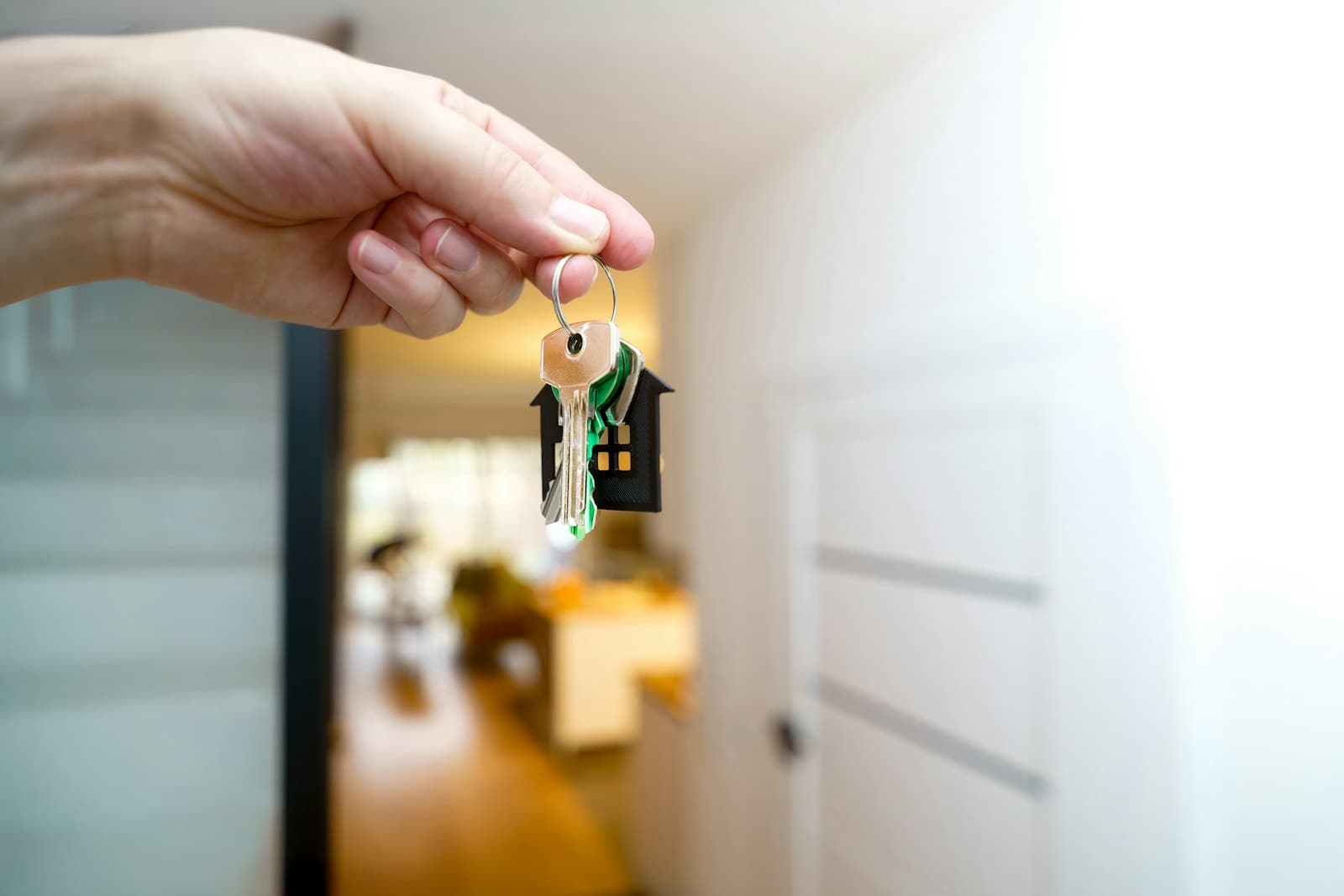
Test the actual key placed inside the box, not another copy on your personal key ring. Try it in every lock the visitor must use. A copied key can fit poorly, and similar-looking keys can be mixed up.
Check whether the door requires separate keys for a knob and deadbolt. If two keys are necessary, label them in a way that helps an authorized visitor without exposing the property address on a loose key. Confirm that the key set fits inside the compartment and does not prevent the box from closing correctly.
Do not place unnecessary keys in the box. Access to unrelated storage, another property, or a personal vehicle should not be bundled with the showing key. Keep the contents limited to the approved purpose.
Account for gates and shared entrances
A front door key is not enough if visitors must first pass a gated entry or a locked condominium lobby. Coordinate the complete path with the property manager or association when needed. Common-area access rules may differ from those for your private unit.
Confirm parking instructions and any restrictions that affect a visit. A buyer who cannot find lawful parking may arrive late or miss the appointment. Clear directions can remove that friction without distributing sensitive credentials publicly.
If a gate system depends on your answering a call, test it during the hours appointments will occur. Establish a backup through the approved provider. A process that works only when you happen to notice your phone is less dependable than it appears.
Plan for the alarm
Discuss how authorized visitors will enter without triggering the security system. Use permitted temporary credentials or professional coordination rather than sharing account passwords. Confirm what information visitors need and who is authorized to receive it.
Check how much time they have to disarm, which door they should use, and whether any interior sensors affect the route. A vague instruction to turn off the alarm may be insufficient for someone unfamiliar with the equipment.
Coordinate with the monitoring service when appropriate under its procedures. Avoid disabling safety functions casually or improvising changes that you do not understand. If the security setup is complex, seek assistance from the installer or provider before showing activity begins.
Write the exit steps too
The entry process is only half the appointment. Visitors need to know which doors to secure, how to return the key, how to confirm the compartment is closed, and what to do about lights and the alarm.
Do not ask visitors to perform unfamiliar maintenance tasks. Keep the instructions specific to reasonable appointment closeout. If a door requires unusual force or a lock is unreliable, consider repairing it rather than relying on a complicated warning.
An access event does not prove that every exit step happened. Decide who checks the property when necessary, especially after multiple visits or during vacancy. The process should have an accountable final check suited to the property and circumstances.
Conduct a realistic rehearsal
Ask your agent or another approved person to act as a first-time visitor. Give them the instructions you plan to use. Watch whether they find the right entrance, open the box, select the correct key, handle the alarm, and return everything properly.
Avoid helping immediately unless safety requires it. If you supply verbal details that are absent from the instructions, the rehearsal will hide the problem. Note where clarification is needed and revise the private instructions afterward.
Test any electronic access window at the relevant time. Confirm the clock or time-zone setting if the system uses one. Ask the provider how daylight saving changes or other timing issues are handled rather than assuming the displayed schedule is sufficient.
A practical example
A seller installs a working lockbox at the front door and places a working house key inside. During the first showing, the agent discovers that the front storm door has a separate lock and the provided key opens only the main door behind it.
Nothing is wrong with the box. The failure is in the complete entry route. A rehearsal would have found it. The seller corrects the approved access arrangement, updates private instructions, and tests the exit process so that the same oversight does not recur.
Maintain a workable backup
Identify a contact who can respond to access problems during showing hours. Keep the provider's support information available to the responsible professional. A backup should be authorized and controlled; a key under a flowerpot is not a dependable replacement for access management.
Do not publish a spare entry method because one appointment experienced a problem. Resolve the cause and preserve the normal verification process. If a visitor cannot enter, it is better to coordinate a safe solution than to grant broader access in frustration.
Complete entry testing gives your listing a reliable foundation. Buyers can spend their appointment evaluating the home, and you can be more confident that access is working as intended.
Sources and further reading
This lesson explains how home sales generally work in the United States and is not legal advice. Your contract, state and local law, and listing service rules decide the specifics, so check them with your broker, attorney or closing provider.